ریشههای یهودیت
| ریشههای یهودیت | |
|---|---|
| יַהֲדוּת Yahadut | |
 هنر تشریفاتی یهودی (ساعت از بالا): شبات شمعدان، نطیلا، چوماش و تناخ، سفر تورات اشارهگر یهودی، شوفار | |
| نوع | ادیان قومی[۱] |
| طبقهبندی | ادیان ابراهیمی |
| کتاب مقدس | کتاب مقدس عبری |
| الهیات | خدا در یهودیت |
| رهبران | رهبری یهودیان |
| جنبشها | جنبشهای مذهبی یهودی |
| انجمنها | سازمانهای مذهبی یهودی |
| منطقه | دین غالب در اسرائیل و در سراسر جهان به عنوان اقلیتها گسترده هستند |
| زبان | عبری توراتی[۲] |
| ستاد | اورشلیم (صهیون) |
| بنیانگذار | ابراهیم[۳][۴] (بر طبق سنت) |
| خاستگاه | هزاره اول پیش از میلاد قرن بیستم تا هجدهم پیش از میلاد [۳] (بر طبق سنت) یهودیه بینالنهرین[۳] (بر طبق سنت) |
| انشقاق از | یهوهپرستی |
| جماعتها | جوامع مذهبی یهودی |
| اعضا | ح. ۱۵ میلیون[۵] |
| کاهنان | ربی |
ریشههای یهودیت (انگلیسی: Origins of Judaism)، رایجترین باور در میان محققان باستانشناسی و تاریخ این است که منشأ یهودیت در استان شاهنشاهی هخامنشی یهود مدینه است. یهودیت از یهوهپرستی تکامل یافت و مفاهیم جدیدی از کوهن، تمرکز بر تورات و کتاب دینی و ازدواج بین ادیان در یهودیت را توسعه داد.[۶]
در طول دوره عصر آهن (قرن ۱۲ تا ۱۱ قبل از میلاد[۷])، دین بنیاسرائیل از مذهب کنعانی منشعب شد و به شکل یهوهپرستی درآمد. پرستش یهوه دین رسمی پادشاهی شمالی اسرائیل و پادشاهی یهودا بود.[۸][۹] برخلاف دیگر سنتهای مذهبی کنعانی، یهوهپرستی تکپرستی بود و بر پرستش خاص یهوه تمرکز داشت، که پرستندگانش او را با ال (خدا) یکی میدانستند. [۱۰] یهویستها شروع به انکار وجود خدایان دیگر، چه کنعانی و چه خارجی، کردند، زیرا یهوهپرستی به مرور زمان سختگیرانهتر شد.[۱۱] از قرن پنجم پیش از میلاد تا سال ۷۰ پس از میلاد، یهودیت به مکاتب مختلف الهیات یهودیت معبد دوم، علاوه بر یهودیت هلنیستی در یهودیان دور از وطن تکامل یافت. فرجامشناسی یهودی معبد دوم شباهتهایی با مزدیسنا دارد.[۱۲]
متن کتاب مقدس عبری در این دوره و احتمالاً به صورت رسمی توسعه حکم کتاب مقدس عبری به شکل موجود خود بود. شواهد متنی که به رعایت گسترده شریعت موسی در میان یهودیان عادی اشاره دارد، اولین بار در نوشتههای هکاتئوس آبدرا حدود ۳۰۰ سال پیش از میلاد، در اوایل عصر هلنیستی ظاهر میشود.[۱۳]
یهودیت عصر آهن
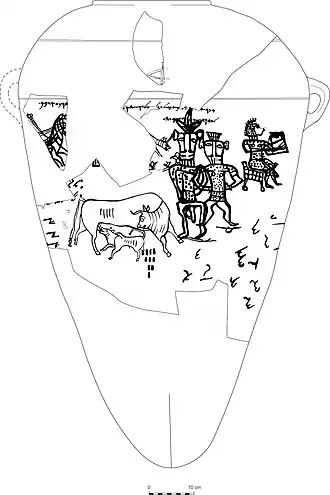
یهودیت دارای سه عنصر ضروری و مرتبط است: مطالعه تورات; شناخت بنیاسرائیل بهعنوان یهودیان بهعنوان قوم برگزیده (قوم برگزیده خدا) و دریافتکنندگان شریعت موسی (پیغام خدا) در کوه سینا؛ این سه عنصر در عصر آهن یهوهپرستی و بعداً یهودیت معبد دوم ریشه دارند. [۱۴]
یهوهپرستی عصر آهن در قرن نهم پیش از میلاد رسمیت یافت، تقریباً همان زمانی که پادشاهیهای عصر آهن پادشاهی شمالی اسرائیل و پادشاهی یهودا در کنعان تثبیت شدند.[۱۵]
سایر پادشاهیهای کنعانی همسایه نیز هر کدام خدای ملی خود را داشتند که از پانتئون خدایان کنعانی سرچشمه میگرفت: کموش خدای موآب، میلکوم (خدا) خدای پادشاهی همون بود، قوس (خدا) خدای خدایان پادشاهی ادوم، و غیره بود. در هر پادشاهی، پادشاه، خدای ملی خود نایب الملک روی زمین بود.[۱۶][۱۷][۱۸] خدایان ملی در کنعان نسبتاً برابر بودند و این نشان دهنده تعادل پادشاهیها بود. هر پادشاهی دارای یک زوج الهی - یهوه و الهه اشیره در اسرائیل و یهودا - بود که رهبری پانتئون خدایان کوچکتر را بر عهده داشتند.[۱۹][۲۰][۲۱] در اواخر قرن هشتم پیش از میلاد، هم یهودا و هم اسرائیل به خراجگزاران امپراتوری آشور تبدیل شده بودند و با پیمانهای وفاداری از یک سو و حمایت از سوی دیگر به هم متعهد شده بودند. پادشاهی شمالی اسرائیل شورش کرد و نابود شد ح. 722 پیش از میلاد؛ پناهندگان از پادشاهی سابق به یهودا گریختند و این سنت را با خود آوردند که یهوه، که از قبل در یهودا شناخته شده بود، نه تنها مهمترین خدایان، بلکه «تنها» خدایی است که باید به او خدمت شود.[۲۲] پیامبران در یهودیت بهطور سنتی نقش مهمی در ترویج یهوهگرایی به قیمت تضعیف ادیان رقیب، چه در شمال و چه در جنوب، ایفا کردهاند.[۲۳]
دیدگاه یهوهمحور توسط نخبگان زمیندار یهودی اتخاذ شد، که در قرن بعد، زمانی که یوشیا هشت ساله (سلطنت ۶۴۱–۶۰۹ پیش از میلاد) را بر تخت سلطنت نشاندند، در محافل دربار بسیار قدرتمند شدند. در دوران سلطنت یوشیا، قدرت آشوریان ناگهان (پس از ۶۳۱ پیش از میلاد) فروپاشید و یک جنبش طرفدار استقلال در اورشلیم قدرت را به دست گرفت که هم استقلال یهودا از اربابان خارجی و هم وفاداری به یهوه به عنوان تنها خدای اسرائیل را ترویج میکرد. با حمایت یوشیا، جنبش «فقط یهوه» اصلاحات کاملی در پرستش، از جمله پیمان (یعنی معاهده) بین یهودا و یهوه، که جایگزین پیمان بین یهودا و آشور شد، را آغاز کرد.[۲۴] زمانی که این اتفاق افتاد، یهوه ویژگیهای مثبت سایر خدایان و الهههای پانتئون را جذب یا جایگزین کرده بود، فرآیندی از تصاحب که گامی اساسی در ظهور بعدی یکی از برجستهترین ویژگیهای یهودیت بود: یکتاپرستی سازشناپذیر آن. [۲۰] فیلیپ آر دیویس استدلال میکند که مردم اسرائیل و یهودای باستان به یهودیت آنطور که اکنون درک میشود، پایبند نبودند. در عوض، آنها پرستش شرکآمیزی را شامل خدایان متعدد، با تمرکز بر باروری، زیارتگاههای محلی و افسانههای منطقهای، انجام میدادند. آنها احتمالاً تورات مکتوب، قوانین خاص حاکم بر پاکی آیینی یا حس پیمان با یک خدای ملی واحد نداشتند. [۲۵]
یهودیت معبد دوم
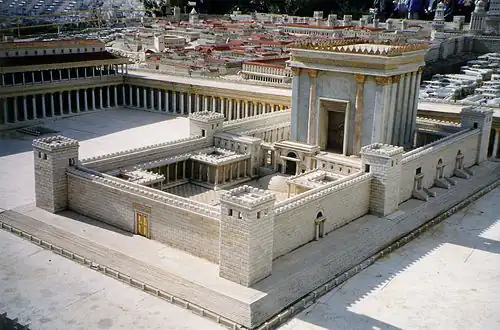
در سال ۵۸۶ پیش از میلاد، اورشلیم توسط بابلیها ویران شد و نخبگان یهودی - خانواده سلطنتی، کاهنان، کاتبان و دیگر اعضای نخبگان - به اسارت به بابل برده شدند. آنها تنها اقلیتی از جمعیت را تشکیل میدادند و یهودا، پس از بهبودی از تأثیر فوری جنگ، به زندگیای ادامه داد که تفاوت چندانی با گذشته نداشت. در سال ۵۳۹ پیش از میلاد، بابل به دست ایرانیان افتاد؛ اسارت بابلی پایان یافت و تعدادی از تبعیدیان، اما نه همه و احتمالاً یک اقلیت، به اورشلیم بازگشتند. آنها نوادگان تبعیدیان اصلی بودند و هرگز در یهودا زندگی نکرده بودند. با این وجود، از نظر نویسندگان ادبیات کتاب مقدس، آنها، و نه کسانی که در این سرزمین باقی مانده بودند، «اسرائیل» بودند. [۲۶] یهودا، که اکنون یهود نامیده میشود، یک استان پارسی بود و بازگشتگان، با ارتباطات پارسی خود در بابل، کنترل آن را در دست داشتند. آنها همچنین نمایندهٔ نوادگان جنبش قدیمی «یَهُوه-تنها» بودند، اما دینی که آنها بنیان نهادند، بهطور قابل توجهی با هر دو نوع یهوهگرایی سلطنتی [۶] و یهودیت مدرن متفاوت بود. این تفاوتها شامل مفاهیم جدید کاهنی، تمرکز جدید بر قانون مکتوب و در نتیجه بر کتاب مقدس، و نگرانی در مورد حفظ پاکی با ممنوعیت ازدواج با افراد خارج از جامعهٔ این «اسرائیل» جدید است. [۶] گروه تنها یهوه پس از فتح بابل توسط ایرانیان به اورشلیم بازگشتند و به نخبگان حاکم یهود تبدیل شدند. بخش عمدهای از کتاب مقدس عبری در قرن پنجم پیش از میلاد توسط آنها گردآوری، اصلاح و ویرایش شد، از جمله تورات (کتابهای سفر پیدایش، سفر خروج، سفر لاویان، سفر اعداد و سفر تثنیه)، آثار تاریخی و بسیاری از کتابهای نبوی و کتابهای حکمت.[۲۷][۲۸] کتاب مقدس کشف یک کتاب قانونی در معبد در قرن هفتم پیش از میلاد را روایت میکند که اکثر محققان آن را نوعی تثنیه میدانند و آن را در توسعه کتاب مقدس محوری میدانند.[۲۹] کتاب مقدس، کشف یک کتاب قانونی در معبد را در قرن هفتم پیش از میلاد روایت میکند. اکثر محققان آن را نوعی تثنیه میدانند و آن را در توسعه کتاب مقدس محوری میدانند. مجموعه رو به رشد کتب مقدس در دوره هلنیستی توسط یهودیان مهاجر مصری به یونانی ترجمه شد، در حالی که یهودیان بابلی داستانهای درباری، کتاب دانیال (فصلهای ۱ تا ۶ کتاب دانیال - فصلهای ۷ تا ۱۲ بعداً اضافه شدند) و کتابهای کتاب توبیاس و کتاب استر را تولید کردند.[۳۰] پس از آن، یهودیت به یهودیت معبد دوم و سامریگرایی تقسیم شد.[۳۱] این ادیان در ابتدا روابط دوستانه داشتند، اما پس از تخریب معبد هورکانوس در سال ۱۲۰ قبل از میلاد با یکدیگر رقابت کردند.[۳۲] مورد دوم به طرز بدنامی در مسیحی عهد جدید ثبت شده است.[۳۳]
پذیرش گسترده قوانین تورات
یولیوس ولهاوزن در اثر مهم خود «مقدمهای بر تاریخ اسرائیل» در سال ۱۸۷۸، استدلال کرد که یهودیت به عنوان دینی مبتنی بر رعایت گسترده قوانین تورات، اولین بار در سال ۴۴۴ پیش از میلاد ظهور کرد، زمانی که طبق روایت کتاب مقدس که در کتاب نحمیا (فصل ۸) ارائه شده است، یک کاتب کاهن به نام عزرا نسخهای از تورات موسی را در مقابل مردم یهودیه که در میدان مرکزی اورشلیم جمع شده بودند، خواند.[۳۴] ولهاوزن معتقد بود که این روایت باید به عنوان یک روایت تاریخی پذیرفته شود زیرا محتمل به نظر میرسد، و خاطرنشان کرد: «اعتبار روایت از ظاهر آن پیداست.»[۳۵] به دنبال ولهاوزن، اکثر محققان در طول قرن بیستم و اوایل قرن بیست و یکم پذیرفتهاند که رعایت گسترده تورات از حدود اواسط قرن پنجم پیش از میلاد آغاز شده است.
اخیراً، یوناتان آدلر در کتاب خود در سال ۲۰۲۲ با عنوان ریشههای یهودیت استدلال کرد که در واقع هیچ مدرک باقیماندهای برای تأیید این تصور وجود ندارد که تورات بهطور گسترده شناخته شده، معتبر تلقی شده و در هر زمانی قبل از اواسط قرن دوم پیش از میلاد مورد استفاده قرار گرفته باشد.[۳۶]
همه محققان با تز آدلر متقاعد نشدهاند. بنجامین دی. گوردون در بررسی خود از کار آدلر استدلال کرد که آدلر برای حمایت از ادعای خود مبنی بر اینکه تورات قبل از قرن دوم پیش از میلاد بهطور گسترده رعایت نمیشد، به استدلالی مشکوک از سکوت متوسل میشود. گوردون اظهار میکند که از آنجا که یهودیه در دورههای پارسی و اوایل هلنیستی جمعیت کمی داشته و فرهنگ مادی آن نامشخص و ساده بوده است، فقدان شواهد برای رعایت تورات در این دورهها «ممکن است صرفاً نشاندهنده محدودیتهای منابع ما باشد.»[۳۷] مالکا ز. سیمکوویچ همچنین استدلال کرده است که شواهد مثبتی وجود دارد که یهودیان از دوران پیش از حشمونیان (از سال ۱۴۰ پیش از میلاد تا ۱۱۰ پیش از میلاد)، احکام تورات را رعایت میکردند.[۳۸]
جان جی. کالینز استدلال میکند که هکاتئوس آبدرا (حدود ۳۰۰ پیش از میلاد) ثبت کرده است که شریعت موسی مکتوب از قبل «به عنوان بیان معتبر شیوه زندگی یهودیان در آغاز دوره هلنیستی شناخته و پذیرفته شده بود». به گفته کالینز، این نشان میدهد که یهودیان از قبل در شاهنشاهی هخامنشی شروع به رعایت تورات کرده بودند.[۱۳]
توسعه یهودیت ربانی

برای قرنها، فهم سنتی این بوده است که جدایی مسیحیت اولیه و یهودیت مدتی پس از محاصره اورشلیم (۷۰ میلادی) در سال ۷۰ میلادی، اولین انشقاق کلامی بزرگ در سنت یهود بود. از نیمه دوم قرن بیستم، برخی از محققان شروع به استدلال کردهاند که تصویر تاریخی بسیار پیچیدهتر از این است.[۳۹][۴۰]
در قرن اول، یهودیت معبد دوم به گروههای الهیاتی رقیب، به ویژه [[فریسیان] و صدوقیان، علاوه بر فرقههای کوچکتر متعددی مانند اسنیها، مسیح در یهودیت مانند مسیحیت اولیه تقسیم شد. روایات نزدیک مانند سامریگرایی (که پنجگانه سامری را به ما میدهد، شاهدی مهم از متن تورات مستقل از متن ماسورتی) بودند. فرقه پرستش بنی اسرائیل که در نهایت به یهودیت خاخامی و فرقهای که به مسیحیت اولیه توسعه یافتند تنها دو مورد از این سنتهای دینی مجزای اسرائیلی بودند؛ بنابراین، برخی از محققان شروع به ارائه مدلی کردهاند که به جای تکامل و جدایی مسیحیت از یهودیت خاخام، تولد دوقلوی مسیحیت و یهودیت خاخام را متصور است. این امر بهطور فزایندهای در میان محققان پذیرفته شده است که «در پایان قرن اول میلادی هنوز دو دین جداگانه به نام «یهودیت» و «مسیحیت» وجود نداشت».[۴۱] دنیل بویارین (۲۰۰۲) در دوران باستان پسین درک اصلاحشدهای از تعاملات بین مسیحیت نوپا و یهودیت نوپای خاخامی ارائه میدهد که این دو دین را در طول این دوره به شدت و پیچیده در هم تنیده میداند.
آمورائیم دانشمندان یهودی دوران باستان پسین بودند که شریعت و متون کتاب مقدس را تدوین و تفسیر میکردند. مرحله نهایی تدوین تلمود به شکل نهایی آن در طول قرن ششم میلادی، توسط دانشمندانی که به عنوان سبورایم شناخته میشدند، انجام شد. این مرحله، دوران شازال را که پایه و اساس یهودیت خاخامی بود، به پایان میرساند.
جستارهای وابسته
پانویس
- ↑ Jacobs 2007, p. 511 quote: "Judaism, the religion, philosophy, and way of life of the Jews.".
- ↑ Sotah 7:2 with vowelized commentary (به عبری). New York. 1979. Retrieved Jul 26, 2017.
- 1 2 3 Mendes-Flohr 2005.
- ↑ Levenson 2012, p. 3.
- ↑ Dashefsky, Arnold; Della Pergola, Sergio; Sheskin, Ira, eds. (2018). World Jewish Population (PDF) (Report). Berman Jewish DataBank. Retrieved 22 June 2019.
- 1 2 3 Moore & Kelle 2011, p. 402.
- ↑ Hackett 2001, p. 132.
- ↑ (Hackett 2001، ص. 156): "[...] برخی از محققان معاصر معتقدند آنچه «اسرائیل» را از دیگر جوامع نوظهور کنعانی عصر آهن I متمایز میکرد، دین بود - اعتقاد به یهوه به عنوان خدای خود به جای مثلاً کموش (از موآبیان) یا میلکوم (از آمونیان). در واقع، اوایل عصر آهن، ظهور دین ملی در خاور نزدیک را رقم زد و اعتقاد به خدای ملی را به هویت قومی گره زد؛ بنابراین، بنیاسرائیل قوم یهوه هستند، همانطور که موآبیان قوم کموش هستند؛ آمونیان، پرستندگان میلکوم؛ ادومیها، قوم قاوس. [...] (اصطلاحات «دین ملی» و «خدای ملی» اگرچه معمولاً استفاده میشوند، اما مسلماً گمراهکننده هستند: جزئیات دولت-ملتهای مدرن را نباید در این جوامع باستانی بازخوانی کرد)
- ↑ Compare:
Ahlström, Gösta Werner (1982). Royal Administration and National Religion in Ancient Palestine. Volume 1 of Studies in the history of the ancient Near East / Studies in the history of the ancient Near East. Leiden: E. J. Brill. p. 83. ISBN 9789004065628. Retrieved 11 November 2023.
[...] the picture drawn for us of the northern kingdom and its religion is not reliable. Furthermore, the so-called conservative Yahwism which is said to have predominated in Judah, seems to have existed only in the Jewish scholars' reconstruction of history.
- ↑ Smith 2002, pp. 8, 33–34.
- ↑ Gnuse 1997, p. 225.
- ↑ "Diseases in Jewish Sources". Encyclopaedia of Judaism. doi:10.1163/1872-9029_ej_com_0049.
- 1 2 Collins 2024, pp. 333–335.
- ↑ Neusner 1992, p. 4.
- ↑ Finkelstein, Israel, (2020). "Saul and Highlands of Benjamin Update: The Role of Jerusalem", in Joachim J. Krause, Omer Sergi, and Kristin Weingart (eds.), Saul, Benjamin, and the Emergence of Monarchy in Israel: Biblical and Archaeological Perspectives, SBL Press, Atlanta, GA, p. 48, footnote 57: "...They became territorial kingdoms later, Israel in the first half of the ninth century BCE and Judah in its second half..."
- ↑ Hackett 2001, p. 156.
- ↑ Davies 2010, p. 112.
- ↑ Miller 2000, p. 90.
- ↑ Smith 2010, p. 119.
- 1 2 Anderson 2015, p. 3.
- ↑ Betz 2000, p. 917.
- ↑ Staples, Jason A. (20 May 2021). "The Other Israelites: Samaritans, Hebrews, and non-Jewish Israel". The Idea of 'Israel' in Second Temple Judaism: A New Theory of People, Exile, and Israelite Identity. Cambridge: Cambridge University Press. pp. 61, 62. ISBN 978-1-108-84286-0. Retrieved 4 February 2024.
[Note 23:] The settlement of Israelite groups in Judah in the wake of the northern kingdom's destruction may have brought much of the northern biblical material with it, engendering a pan-Israelite sentiment in Judah (Finkelstein, Forgotten Kingdom, 155).
- ↑ Rogerson, John (27 August 2009) [2007]. "Ancient Israel to the fall of the Second Temple". In Hinnells, John R. (ed.). The Penguin Handbook of Ancient Religions. London: Penguin UK. ISBN 978-0-14-195666-4. Retrieved 4 February 2024.
یهوهگرایی «خالص» توسط گروههای نبوی پرشور به رهبری مردانی مانند سموئیل، الیاس و الیشع که خود را بهطور فعال در امور سیاسی درگیر میکردند، حمایت میشد. بعدها، این نقش توسط پیامبران به اصطلاح مکتوب: هوشع، عاموس، میکاه و اشعیا [...] در قرن هشتم به عهده گرفته شد. این پیامبران خالق توحید اخلاقی اسرائیل باستان بودند.
- ↑ Rogerson 2003, pp. 153–154.
- ↑ Davies 2016, p. 15.
- ↑ Moore & Kelle 2011, p. 397.
- ↑ Coogan et al. 2007, p. xxiii.
- ↑ Berquist 2007, p. 3–4.
- ↑ Frederick J. Murphy (15 April 2008). "Second Temple Judaism". In Alan Avery-Peck (ed.). The Blackwell Companion to Judaism. Jacob Neusner. John Wiley & Sons. pp. 61–. ISBN 978-0-470-75800-7.
- ↑ Coogan et al. 2007, p. xxvi.
- ↑ Pummer 2016, p. 25.
- ↑ Knoppers 2013, pp. 173–174.
- ↑ "Samaritan | Definition, Religion, & Bible | Britannica". britannica.com (به انگلیسی). Retrieved 2022-05-25.
- ↑ Wellhausen 1885, p. 405–410.
- ↑ Wellhausen 1885, p. 408 n. 1.
- ↑ (Adler 2022، ص. 223): [...] منابع ادبی که بهطور قطعی به اوایل دوره هلنیستی مربوط میشوند، هیچ مدرک قانعکنندهای در مورد میزان شناخته شدن یا معتبر بودن تورات در بین تودههای یهودی آن زمان ارائه نمیدهند."
- ↑ Gordon, Benjamin D. (2024). "The Origins of Judaism: An Archaeological-Historical Reappraisal by Yonatan Adler (review)". AJS Review. 48 (1): 204–207. doi:10.1353/ajs.2024.a926065. ISSN 1475-4541.
- ↑ Simkovich, Malka Z. (Winter 2024). "Origin Stories". Jewish Review of Books. No. 56. Retrieved 2024-06-28.
- ↑ Becker & Reed 2007.
- ↑ Dunn, James D. G., ed. (1999). Jews and Christians: the parting of the ways A.D. 70 to 135. William B Eerdmans Publishing Company. ISBN 978-0-8028-4498-9.
- ↑ Goldenberg, Robert (2002). "Reviewed Work: Dying for God: Martyrdom and the Making of Christianity and Judaism by Daniel Boyarin". The Jewish Quarterly Review. 92 (3/4): 586–588. doi:10.2307/1455460. JSTOR 1455460.
کتابشناسی
- Ackerman, Susan (2003). "Goddesses". In Richard, Suzanne (ed.). Near Eastern Archaeology: A Reader. Eisenbrauns. ISBN 978-1-57506-083-5.
- Adler, Yonatan (2022). The Origins of Judaism: An Archaeological-Historical Reappraisal. Yale University Press. ISBN 978-0-300-25490-7.
- Ahlstrom, Gosta W. (1991). "The Role of Archaeological and Literary Remains in Reconstructing Israel's History". In Edelman, Diana Vikander (ed.). The Fabric of History: Text, Artifact and Israel's Past. A&C Black. ISBN 978-0-567-49110-7.
- Albertz, Rainer (2003). "Problems and Possibilities: Perspectives on Postexilic Yahwism". In Albertz, Rainer; Becking, Bob (eds.). Yahwism After the Exile: Perspectives on Israelite Religion in the Persian Era. Uitgeverij Van Gorcum. ISBN 9789023238805.
- Albertz, Rainer (1994). A History of Israelite Religion, Volume I: From the Beginnings to the End of the Monarchy. Westminster John Knox Press. ISBN 978-0-664-22719-7.
- Allen, Spencer L. (2015). The Splintered Divine: A Study of Istar, Baal, and Yahweh Divine Names and Divine Multiplicity in the Ancient Near East. De Gruyter. ISBN 978-1-5015-0022-0.
- Anderson, James S. (2015). Monotheism and Yahweh's Appropriation of Baal. Bloomsbury. ISBN 978-0-567-66396-2.
- Becker, A. H.; Reed, A. Y. (2007). The Ways that Never Parted: Jews and Christians in Late Antiquity and the Early Middle Ages. Fortress Press. ISBN 978-1-4514-0343-5.
- Becking, Bob (2001). "The Gods in Whom They Trusted". In Becking, Bob (ed.). Only One God?: Monotheism in Ancient Israel and the Veneration of the Goddess Asherah. A&C Black. ISBN 978-1-84127-199-6.
- Bennett, Harold V. (2002). Injustice Made Legal: Deuteronomic Law and the Plight of Widows, Strangers, and Orphans in Ancient Israel. Eerdmans. ISBN 978-0-8028-2574-2.
- Berquist, Jon L. (2007). Approaching Yehud: New Approaches to the Study of the Persian Period. SBL Press. ISBN 978-1-58983-145-2.
- Betz, Arnold Gottfried (2000). "Monotheism". In Freedman, David Noel; Myer, Allen C. (eds.). Eerdmans Dictionary of the Bible. Eerdmans. ISBN 9053565035.
- Chalmers, Aaron (2012). Exploring the Religion of Ancient Israel: Prophet, Priest, Sage and People. SPCK. ISBN 978-0-281-06900-2.
- Cohen, Shaye J. D. (1999). "The Temple and the Synagogue". In Finkelstein, Louis; Davies, W. D.; Horbury, William (eds.). The Cambridge History of Judaism: Volume 3, The Early Roman Period. Cambridge University Press. ISBN 978-0-521-24377-3.
- Cohn, Norman (2001). Cosmos, Chaos, and the World to Come: The Ancient Roots of Apocalyptic Faith. Yale University Press. ISBN 0-300-09088-9.
- Collins, John J. (2024). "Hecataeus as a Witness to Judaism". In Brody, Robert; Hacham, Noah; Piotrkowski, Meron M.; van Henten, Jan Willem (eds.). A Vision of the Days: Studies in Early Jewish History and Historiography: In Honor of Daniel R. Schwartz. BRILL. ISBN 978-90-04-68556-7.
- Coogan, Michael D.; Smith, Mark S. (2012). Stories from Ancient Canaan (2nd ed.). Presbyterian Publishing Corp. ISBN 978-9053565032.
- Coogan, Michael D.; Brettler, M. Z.; Newsom, C. A.; Perkins, P. (2007). The New Oxford Annotated Bible with the Apocryphal/Deuterocanonical Books: New Revised Standard Version. Oxford University Press. ISBN 978-0-19-528880-3.
- Cook, Stephen L. (2004). The Social Roots of Biblical Yahwism. Society of Biblical Literature. ISBN 978-1-58983-098-1.
- Davies, Philip R.; Rogerson, John (2005). The Old Testament World. Westminster John Knox Press. ISBN 978-0-567-08488-0.
- Davies, Philip R. (2016) [2011]. The Origins of Judaism. Routledge. ISBN 978-1-134-94502-3.
- Davies, Philip R. (2010). "Urban Religion and Rural Religion". In Stavrakopoulou, Francesca; Barton, John (eds.). Religious Diversity in Ancient Israel and Judah. Continuum International Publishing Group. ISBN 978-0-567-03216-4.
- Day, John (2002). Yahweh and the Gods and Goddesses of Canaan. Journal for the Study of the Old Testament: Supplement Series. Vol. 265. Sheffield Academic Press. ISBN 978-0-8264-6830-7.
- Dever, William G. (2003a). "Religion and Cult in the Levant". In Richard, Suzanne (ed.). Near Eastern Archaeology: A Reader. Eisenbrauns. ISBN 978-1-57506-083-5.
- Dever, William G. (2003b). Who Were the Early Israelites and Where Did They Come From. Eerdmans. ISBN 978-0-8028-4416-3.
- Dever, William G. (2005). Did God Have A Wife?: Archaeology And Folk Religion in Ancient Israel. Eerdmans. ISBN 978-0-8028-2852-1.
- Dicou, Bert (1994). Edom, Israel's Brother and Antagonist: The Role of Edom in Biblical Prophecy and Story. A&C Black. ISBN 978-1-85075-458-9.
- Dijkstra, Meindert (2001). "El the God of Israel-Israel the People of YHWH: On the Origins of Ancient Israelite Yahwism". In Becking, Bob; Dijkstra, Meindert; Korpel, Marjo C.A.; et al. (eds.). Only One God?: Monotheism in Ancient Israel and the Veneration of the Goddess Asherah. A&C Black. ISBN 978-1-84127-199-6.
- Edelman, Diana Vikander (1995). "Tracking Observance of the Aniconic Tradition". In Edelman, Diana Vikander (ed.). The Triumph of Elohim: From Yahwisms to Judaisms. Peeters Publishers. ISBN 9053565035.
- Elior, Rachel (2006). "Early Forms of Jewish Mysticism". In Katz, Steven T. (ed.). The Cambridge History of Judaism: The Late Roman-Rabbinic Period. Cambridge University Press. ISBN 978-0-521-77248-8.
- Finkelstein, Israel; Silberman, Neil Asher (2002). The Bible Unearthed: Archaeology's New Vision of Ancient Israel and the Origin of Sacred Texts. Simon and Schuster. ISBN 978-0-7432-2338-6.
- Freedman, D. N.; O'Connor, M. P.; Ringgren, H. (1986). "YHWH". In Botterweck, G. J.; Ringgren, H. (eds.). Theological Dictionary of the Old Testament. Vol. 5. Eerdmans. ISBN 978-0-8028-2329-8.
- Frerichs, Ernest S. (1998). The Bible and Bibles in America. Scholars Press. ISBN 978-1-55540-096-5.
- Gnuse, Robert Karl (1997). No Other Gods: Emergent Monotheism in Israel. Journal for the Study of the Old Testament: Supplement Series. Vol. 241. Sheffield Academic Press. ISBN 978-0-567-37415-8.
- Gnuse, Robert Karl (1999). "The Emergence of Monotheism in Ancient Israel: A Survey of Recent Scholarship". Religion. 29 (4): 315–336. doi:10.1006/reli.1999.0198.
- Gorman, Frank H. Jr. (2000). "Feasts, Festivals". In Freedman, David Noel; Myers, Allen C. (eds.). Eerdmans Dictionary of the Bible. Amsterdam University Press. ISBN 978-1-57506-083-5.
- Grabbe, Lester (2010). An Introduction to Second Temple Judaism. Bloomsbury. ISBN 978-0-567-45501-7.
- Grabbe, Lester (2010). "'Many nations will be joined to YHWH in that day': The question of YHWH outside Judah". In Stavrakopoulou, Francesca; Barton, John (eds.). Religious diversity in Ancient Israel and Judah. Continuum International Publishing Group. ISBN 978-0-567-03216-4.
- Grabbe, Lester (2007). Ancient Israel: What Do We Know and How Do We Know It?. A&C Black. ISBN 978-0-567-03254-6.
- Hackett, Jo Ann (2001). "'There Was No King in Israel': The Era of the Judges". In Coogan, Michael David (ed.). The Oxford History of the Biblical World. Oxford University Press. ISBN 978-0-19-513937-2.
- Halpern, Baruch; Adams, Matthew J. (2009). From Gods to God: The Dynamics of Iron Age Cosmologies. Mohr Siebeck. ISBN 978-3-16-149902-9.
- Handy, Lowell K. (1995). Among the Host of Heaven: The Syro-Palestinian Pantheon as Bureaucracy. Eisenbrauns. ISBN 978-0-931464-84-3.
- Hess, Richard S. (2007). Israelite Religions: An Archaeological and Biblical Survey. Baker Academic. ISBN 978-0-8010-2717-8.
- Hess, Richard S. (2020). "Israelite Religion". In Barton, John (ed.). Oxford Research Encyclopedia of Religion. Oxford: Oxford University Press. doi:10.1093/acrefore/9780199340378.013.156. ISBN 978-0-19-934037-8.
- Humphries, W. Lee (1990). "God, Names of". In Mills, Watson E.; Bullard, Roger Aubrey (eds.). Mercer Dictionary of the Bible. Mercer University Press. ISBN 978-0-86554-373-7.
- Jacobs, Louis (2007). "Judaism". In Berenbaum, Michael; Skolnik, Fred (eds.). Encyclopaedia Judaica (به انگلیسی). Vol. 11 (2nd ed.). Detroit: Macmillan Reference. ISBN 978-0-02-866097-4 – via Encyclopedia.com.
- Keel, Othmar (1997). The Symbolism of the Biblical World: Ancient Near Eastern Iconography and the Book of Psalms. Eisenbrauns. ISBN 978-1-57506-014-9.
- Killebrew, Ann E. (2005). Biblical Peoples and Ethnicity: An Archaeological Study of Egyptians, Canaanites, Philistines, and Early Israel, 1300–1100 B.C.E. Society of Biblical Literature. ISBN 978-1-58983-097-4.
- Knoppers, Gary N. (2013). Jews and Samaritans: The Origins and History of Their Early Relations. Oxford University Press. ISBN 978-1-57506-083-5. (ISBN is for Google Books version. Paper version شابک ۹۷۸۰۱۹۵۳۲۹۵۴۴)
- Lemche, Niels Peter (1998). The Israelites in History and Tradition. Westminster John Knox Press. ISBN 978-0-664-22727-2.
- Levenson, Jon Douglas (2012). Inheriting Abraham: the legacy of the patriarch in Judaism, Christianity, and Islam. Princeton: Princeton University Press. ISBN 978-0-691-16355-0.
- Levin, Christoph (2013). Re-Reading the Scriptures: Essays on the Literary History of the Old Testament. Mohr Siebeck. ISBN 978-3-16-152207-9.
- Liverani, Mario (2014). Israel's History and the History of Israel. Routledge. ISBN 978-1-317-48893-4.
- Mafico, Temba L. J. (1992). "The Divine Name Yahweh Alohim from an African Perspective". In Segovia, Fernando F.; Tolbert, Mary Ann (eds.). Reading from this Place: Social Location and Biblical Interpretation in Global Perspective. Vol. 2. Fortress Press. ISBN 978-1-4514-0788-4.
- Mastin, B. A. (2005). "Yahweh's Asherah, Inclusive Monotheism and the Question of Dating". In Day, John (ed.). In Search of Pre-Exilic Israel. Bloomsbury. ISBN 978-0-567-24554-0.
- Mendes-Flohr, Paul (2005). "Judaism". In Thomas Riggs (ed.). Worldmark Encyclopedia of Religious Practices. Vol. 1. Farmington Hills, Mi: Thomson Gale. ISBN 978-0-7876-6611-8 – via Encyclopedia.com.
- Mettinger, Tryggve N. D. (2006). "A Conversation with My Critics: Cultic Image or Aniconism in the First Temple?". In Amit, Yaira; Naʼaman, Nadav (eds.). Essays on Ancient Israel in Its Near Eastern Context. Eisenbrauns. ISBN 978-1-57506-128-3.
- Meyers, Carol (2001). "Kinship and Kingship: The early Monarchy". In Coogan, Michael David (ed.). The Oxford History of the Biblical World. Oxford University Press. ISBN 978-0-19-513937-2.
- MacDonald, Nathan (2007). "Aniconism in the Old Testament". In Gordon, R. P. (ed.). The God of Israel. Cambridge University Press. ISBN 978-0-521-87365-9.
- Miller, Patrick D. (2000). The Religion of Ancient Israel. Westminster John Knox Press. ISBN 978-0-664-22145-4.
- Miller, James M.; Hayes, John H. (1986). A History of Ancient Israel and Judah. Westminster John Knox Press. ISBN 978-0-664-21262-9.
- Moore, Megan Bishop; Kelle, Brad E. (2011). Biblical History and Israel's Past. Eerdmans. ISBN 978-0-8028-6260-0.
- Neusner, Jacob (1992). A Short History of Judaism. Fortress Press. ISBN 978-1-4514-1018-1.
- Niehr, Herbert (1995). "The Rise of YHWH in Judahite and Israelite Religion". In Edelman, Diana Vikander (ed.). The Triumph of Elohim: From Yahwisms to Judaisms. Peeters Publishers. ISBN 9053565035.
- Noll, K. L. (2001). Canaan and Israel in Antiquity: An Introduction. A&C Black. ISBN 978-1-84127-258-0.
- Petersen, Allan Rosengren (1998). The Royal God: Enthronement Festivals in Ancient Israel and Ugarit?. A&C Black. ISBN 978-1-85075-864-8.
- Pummer, Reinhard (2016). The Samaritans: A Profile. Wm. B. Eerdmans Publishing. ISBN 978-0-8028-6768-1.
- Rogerson, John W. (2003). "Deuteronomy". In Dunn, James D. G.; Rogerson, John W. (eds.). Eerdmans Commentary on the Bible. Eerdmans. ISBN 978-0-8028-3711-0.
- Schniedewind, William M. (2013). A Social History of Hebrew: Its Origins Through the Rabbinic Period. Yale University Press. ISBN 978-0-300-17668-1.
- Smith, Mark S. (2000). "El". In Freedman, David Noel; Myer, Allen C. (eds.). Eerdmans Dictionary of the Bible. Eerdmans. ISBN 9789053565032.
- Smith, Mark S. (2001). The Origins of Biblical Monotheism: Israel's Polytheistic Background and the Ugaritic Texts. Oxford University Press. ISBN 978-0-19-516768-9.
- Smith, Mark S. (2002). The Early History of God: Yahweh and the Other Deities in Ancient Israel. Eerdmans. ISBN 978-0-8028-3972-5.
- Smith, Mark S. (2003). "Astral Religion and the Divinity". In Noegel, Scott; Walker, Joel (eds.). Prayer, Magic, and the Stars in the Ancient and Late Antique World. Penn State Press. ISBN 0-271-04600-7.
- Smith, Mark S. (2010). God in Translation: Deities in Cross-Cultural Discourse in the Biblical World. Eerdmans. ISBN 978-0-8028-6433-8.
- Smith, Mark S. (2017). "YHWH's Original Character: Questions about an Unknown God". In Van Oorschot, Jürgen; Witte, Markus (eds.). The Origins of Yahwism. Beihefte zur Zeitschrift für die alttestamentliche Wissenschaft. Vol. 484. De Gruyter. ISBN 978-3-11-042538-3.
- Smith, Morton (1984). "Jewish Religious Life in the Persian Period". In Finkelstein, Louis (ed.). The Cambridge History of Judaism: Volume 1, Introduction: The Persian Period. Cambridge University Press. ISBN 978-0-521-21880-1.
- Sommer, Benjamin D. (2011). "God, Names of". In Berlin, Adele; Grossman, Maxine L. (eds.). The Oxford Dictionary of the Jewish Religion. Oxford University Press. ISBN 978-0-19-973004-9.
- Vanderkam, James C. (2022). An Introduction to Early Judaism (2nd ed.). Eerdmans. ISBN 978-1-4674-6405-5.
- Van der Toorn, Karel (1995). "Ritual Resistance and Self-Assertion". In Platvoet, Jan. G.; Van der Toorn, Karel (eds.). Pluralism and Identity: Studies in Ritual Behaviour. Brill Publishers. ISBN 9004103732.
- Van der Toorn, Karel (1999). "Yahweh". In Van der Toorn, Karel; Becking, Bob; Van der Horst, Pieter Willem (eds.). Dictionary of Deities and Demons in the Bible. Eerdmans. ISBN 978-0-8028-2491-2.
- Van der Toorn, Karel (1996). Family Religion in Babylonia, Ugarit and Israel: Continuity and Changes in the Forms of Religious Life. Brill Publishers. ISBN 9004104100.
- Vriezen, T. C.; van der Woude, Simon Adam (2005). Ancient Israelite And Early Jewish Literature. Translated by Doyle, Brian. Leiden, The Netherlands: Brill. ISBN 978-90-04-12427-1.
- Wellhausen, Julius (1885). Prolegomena to the History of Israel. Black. ISBN 978-1-60620-205-0.
- Wyatt, Nicolas (2010). "Royal Religion in Ancient Judah". In Stavrakopoulou, Francesca; Barton, John (eds.). Religious Diversity in Ancient Israel and Judah. Continuum International Publishing Group. ISBN 978-0-567-03216-4.
پیوند به بیرون
- Adler, Yonatan (16 February 2023). "When Did Jews Start Observing Torah? – TheTorah.com". thetorah.com. Retrieved 23 February 2023.
- Amzallag, Nissim (August 2018). "Metallurgy, the Forgotten Dimension of Ancient Yahwism". The Bible and Interpretation. دانشگاه آریزونا. Archived from the original on 26 July 2020. Retrieved 28 July 2021.
- Brown, William, ed. (October 2017). "Early Judaism". دانشنامه تاریخ جهان. Retrieved 28 July 2021.
- Gaster, Theodor H. (26 November 2020). "Biblical Judaism (20th–4th century BCE)". دانشنامه بریتانیکا. ادینبرو: شرکت دانشنامه بریتانیکا. Retrieved 28 July 2021.