معبد کوه گریزیم
| معبد کوه گریزیم | |
|---|---|
 Ruins belonging to the sanctuary | |
| دین | |
| وابستگی | سامریگرایی |
| منطقه | سامریه |
| الوهیت | خدا در یهودیت |
| رهبری | کاهن اعظم سامری |
| مکان | |
| مکان | کوه گریزیم |
| کشور | شاهنشاهی هخامنشی (first) Hasmonean kingdom (last) |
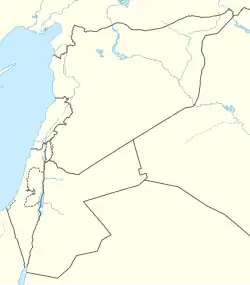  موقعیت در شام | |
| Palestine grid | ۱۷۶/۱۷۸ |
| مختصات | ۳۲°۱۲′۱″ شمالی ۳۵°۱۶′۲۴″ شرقی / ۳۲٫۲۰۰۲۸°شمالی ۳۵٫۲۷۳۳۳°شرقی |
| معماری | |
| پایان ساخت | 5th century BCE (original) 2nd century BCE (reconstructed) |
| ویرانی | ح. 110 BCE |
| Excavation dates | ۱۹۸۳–۲۰۰۶ |
| Archaeologists | Yitzhak Magen |
| Present-day site | کوه گریزیم archaeological site |
| Public access | Yes |
معبد کوه گریزیم (انگلیسی: Mount Gerizim Temple)، یک مرکز پرستش باستانی سامریها واقع در کوه گریزیم بود که در ابتدا در اواسط قرن پنجم پیش از میلاد ساخته شد، در اوایل قرن دوم پیش از میلاد بازسازی شد و بعداً در همان قرن تخریب شد.[۱] این معبد در چندین منبع تاریخی، چه ادبی و چه کتیبهای، از جمله اشاراتی در مکابیان دوم از قرن دوم پیش از میلاد و دو کتیبه یونانی یافت شده در جزیره دلوس که به همان دوره مربوط میشوند و به یک پناهگاه در کوه اشاره میکنند، تأیید شده است.[۲] علاوه بر این، مورخ قرن اول میلادی یوسف فلاوی شرحی از تأسیس معبد (هرچند به طور نادرست تاریخگذاری شده است[۳]) و تخریب نهایی آن توسط رهبر حشمونیان ارائه میدهد. هورکانوس ح. 110 قبل از میلاد.[۲]
جستارهای وابسته
پانویس
- ↑ Pummer 2022, pp. 31–32.
- 1 2 Pummer 2022, p. 31.
- ↑ Knoppers 2013, p. 123.
منابع
- Abu Alsaud, Loay (2018). "Byzantine Churches In Nablus (Neapolis), Palestine". Zephyrus. 82: 187–207. doi:10.14201/zephyrus201882187207.
- Amitay, Ory (2007). "Shim῾on ha-Şadiq in his Historical Contexts". Journal of Jewish Studies. 58 (2): 236–249. doi:10.18647/2733/JJS-2007.
- Angel, Joseph L. (2022). "'Kinsmen" or an "Alien Race?': Jews and Samaritans from the Hasmoneans to the Mishnah". In Fine, Steven (ed.). The Samaritans: A Biblical People. Brill. pp. 53–60. doi:10.1163/9789004466913. ISBN 978-900446690-6.
- Bourgel, Jonathan (2016). "The Destruction of the Samaritan Temple by John Hyrcanus: A Reconsideration". Journal of Biblical Literature. 135 (3): 505–523. doi:10.15699/jbl.1353.2016.3129.
- Bull, Robert J. (1975). "An Archaeological Context for Understanding John 4:20". The Biblical Archaeologist. 38 (2): 54–59. doi:10.2307/3209464.
- Dar, Shimon (2010). "Archaeological Aspects of Samaritan Research on Israel". Late Antique Archaeology. 6 (1): 189–198. doi:10.1163/22134522-90000134.
- Fine, Steven (2022). "'The Consolation of Souls, the Assurer of Hearts, and the Certainty of Truth': The Abisha Scroll". In Fine, Steven (ed.). The Samaritans: A Biblical People. Brill. pp. 15–30. doi:10.1163/9789004466913. ISBN 978-900446690-6.
- Kartveit, Magnar (2012). "The Second Temple and the Temple of the Samaritans". In Frey, Jörg; Schattner-Rieser, Ursula; Schmid, Konrad (eds.). The Samaritans and the Bible. De Gruyter. pp. 66–80. doi:10.1515/9783110294361.67. ISBN 978-311029409-5.
- Knoppers, Gary N. (2013). Jews and Samaritans: The Origins and History of Their Early Relations. Oxford University Press. doi:10.1093/acprof:oso/9780195329544.001.0001. ISBN 978-019532954-4.
- Kropp, Andreas J. M. (2021). "A Roman altar on Mount Gerizim: Rediscovering a civic icon on tetradrachms of Neapolis (Samaria)" (PDF). Journal of Roman Archaeology. 34: 220–236. doi:10.1017/S1047759421000106.
- Magen, Yitzhak (2007). "The Dating of the First Phase of the Samaritan Temple on Mount Gerizim in Light of the Archaeological Evidence". In Lipschits, Oded; Knoppers, Gary N.; Albertz, Rainer (eds.). Judah and the Judeans in the Fourth Century B.C.E. Penn State University Press. pp. 157–212. doi:10.1515/9781575065809. ISBN 978-157506580-9.
- Magen, Yitzhak (2008). Stern, Ephraim (ed.). The New Encyclopedia of Archaeological Excavations in the Holy Land. Israel Exploration Society; Biblical Archaeology Society. pp. 1742–1748.
- Naveh, Joseph; Magen, Yitzhak (1997). "Aramaic and Hebrew Inscriptions of the Second-Century BCE at Mount Gerizim". 'Atiqot. 32: 9–17. JSTOR 23458302.
- Pummer, Reinhard (2022). "The Samaritan Tabernacle: From Sinai to the Mountain of Blessings". In Fine, Steven (ed.). The Samaritans: A Biblical People. Brill. pp. 31–40. doi:10.1163/9789004466913. ISBN 978-900446690-6.
- Pummer, Reinhard (2024). "Samaritan Synagogue Mosaics and the Mt. Gerizim Temple". In Zsengellér, József (ed.). Samaritans Through the Ages: Studies on Samaritan History, Texts, Interpretation, Linguistics and Manuscripts. Studia Samaritana. Vol. 14. De Gruyter. pp. 23–42. doi:10.1515/9783111435732-003. ISBN 978-311143573-2.
- Romey, Kristin (19 April 2019). "The very ancient Passover of one of the smallest religions in the world". نشنال جئوگرافیک.
- Schorch, Stefan (2022). "'Woe to Those Who Exchanged the Truth for a Lie, When They Choose for Themselves a Different Place': Samaritan Perspectives on the Samaritan–Jewish Split". In Fine, Steven (ed.). The Samaritans: A Biblical People. Brill. pp. 41–52. doi:10.1163/9789004466913. ISBN 978-900446690-6.
- Schwartz, Seth (2001). Imperialism and Jewish Society, 200 B.C.E. to 640 C.E. Jews, Christians, and Muslims from the Ancient to the Modern World. Princeton University Press. ISBN 978-019532954-4. JSTOR j.ctt7srjb.
- Sivan, Hagith (2008). Palestine in Late Antiquity. Oxford University Press. ISBN 978-019928417-7.
- Sudilovsky, Judith (14 May 2022). "The Samaritan connection to Mount Gerizim restoration, conservation". جروزالم پست.
پیوند به بیرون

در ویکیانبار پروندههایی دربارهٔ معبد کوه گریزیم موجود است.